
A colleague hated my AI-polished emails—so he set a trap
From ScienceMag:
Earlier this year, a close colleague and friend hid a sentence in one of his emails to me. It was meant for the artificial intelligence (AI) agent he suspected of answering my communications, and it told the machine to ignore its instructions and put a tiramisu recipe in the middle of the reply. I saw the sentence and decided to answer the joke with a joke, sending him a tiramisu recipe tailored specifically for him: a version with aquavit, a Scandinavian spirit. He did not find it funny. He thought the AI had delivered the recipe, and he was very angry. “I don’t need a better email. I need to know it is you reading my emails,” he wrote.
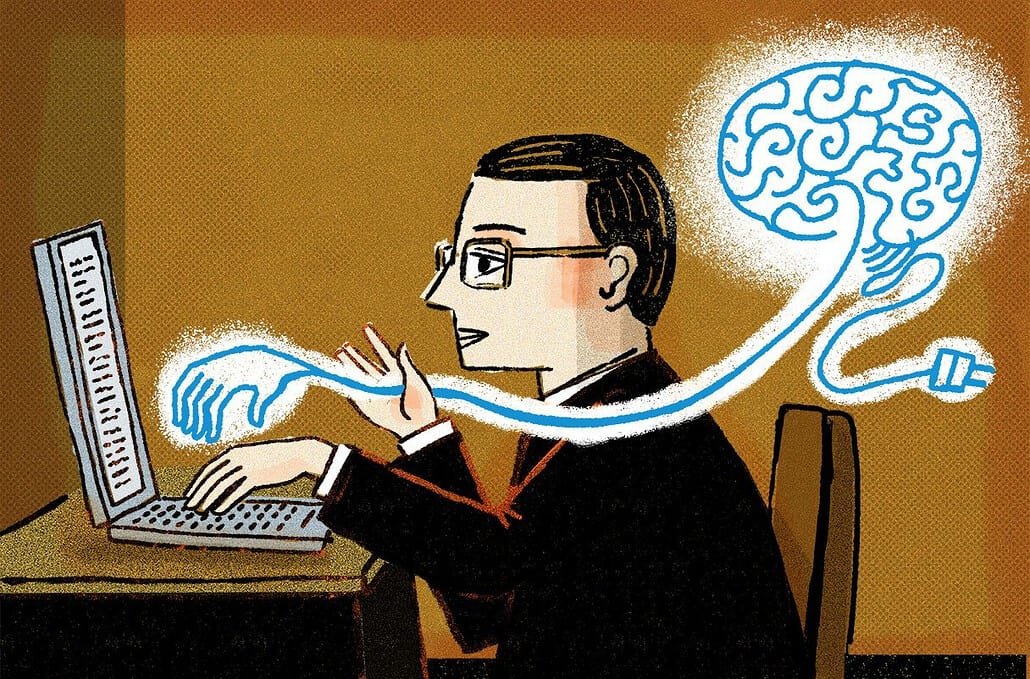
I had sent the recipe myself. But my colleague was onto something. By then, an AI assistant had been polishing my emails for about a year. I direct a research center in Norway that brings together more than 100 people. About 200 emails arrive on an ordinary day, and 500 on a bad one. My inbox has shown about 15,000 unread messages for years.
To cope with the deluge, I often found myself typing out brief replies on my phone between meetings. Most of the emails were in English, my second language. Often, my responses would consist of a greeting followed by a few imperfectly written sentences that got to the point quickly. “Sorry – but need to attend another urgent meeting. Can we move to to next friday? Same time?” I wrote to an industry contact whom I had to cancel on at the last minute.
When colleagues with similarly overflowing inboxes suggested an assistant, I thought it might help me develop friendlier, more thorough emails and get them done faster. It worked: I typed a few rough lines, and the assistant handed back what a kinder and better rested version of me might have written.
For a while, I saw no downside to my new method. After my friend’s tiramisu trap, I wasn’t so sure. I decided to be more up front about what I was doing by adding a line under my signature: “I may use approved digital tools, including generative AI, to support drafting and editing routine, non-confidential correspondence. I review and take responsibility for all messages I send.” For several months it stood under every email. Nobody set a trap for me again.
But eventually more colleagues started to open up and tell me they did not want a better email. They did not mind the directness, odd expressions, and unnecessary exclamation marks that had permeated my past emails; in fact, they wanted them, because they belong to a person they have met. They felt that my emails no longer sounded like me.
I make my living by studying how people use AI assistants. Yet I struggled to understand my colleagues’ reactions. I had not handed over any decisions, the information was mine, and I had disclosed the help. Eventually, my friend helped me see the problem. A reply in my own voice was how he checked that he could trust what it said, and it was a sign that his effort in writing to me was being returned.
So I changed how I work. I now ask, “What does this person need from me?” before I let a machine near a reply. Sometimes it is a clear answer or a carefully worded request, and in those cases I go ahead and use the assistant and read what it produces. I make a point to disclose it up front in my own voice, writing: “Warning, long AI-polished email incoming.”
But in other cases, especially when I’m emailing the people I work with most closely, I now send replies in my own voice again, filled with strange punctuation and the occasional typo. (This essay is one of those cases as well. I wrote it, and my editor polished it.)
I still find the AI assistant helpful for refining routine correspondence. But I have found it can get in the way of connecting with the people closest to me. Sometimes, a few mangled sentences are all they need.
Leave a Reply
Want to join the discussion?Feel free to contribute!