
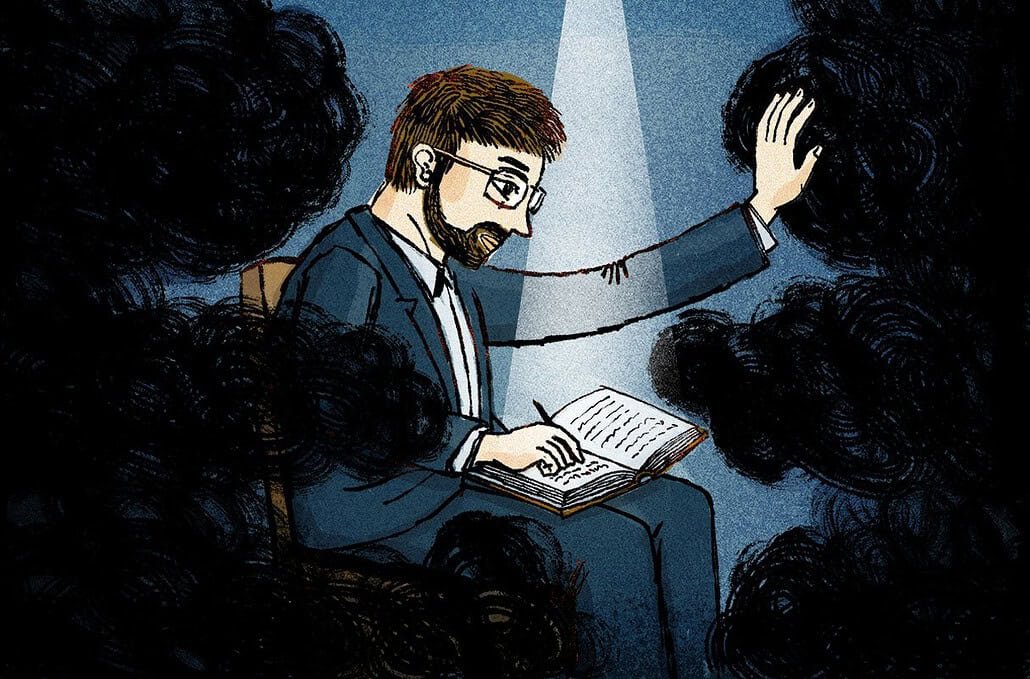
Life felt dark as an international researcher in the U.S., but I’m finding breaks in the clouds
From ScienceMag:
My Ph.D. years were, for the most part, enjoyable. I was making progress toward becoming an academic, my career goal for as long as I could remember. I deeply missed my loved ones back in Iran whom I had not seen since I left for graduate studies in the United States. But my workdays felt mostly sunny, interrupted by the occasional overcast—until near the end of my program, when shifts in U.S. policy brought funding cuts, fewer positions, restrictions on immigration, and growing hostility toward international students like me. Dark clouds were gathering over the future I had imagined.
I was fortunate to find a wonderful postdoctoral position, a ray of sunshine I needed. But another cloud loomed when people in my home country calling for change faced a wave of violence and repression. An internet shutdown followed, cutting off communication as families feared for their loved ones. For weeks, I didn’t know how mine were doing. Eventually we managed to speak by phone; they were safe. But that didn’t erase the horror of what had happened, or the helplessness of watching it unfold from across the world. Soon after came military conflict with the U.S. I was constantly asking myself, are my loved ones alive? Will I see them again?
While fearing for those back home, I was also trying to hold on to my own future. The U.S. government paused processing certain immigration applications solely based on country of birth, putting my employment at risk. Suddenly, I didn’t know how much time I would have to work on my postdoctoral projects, let alone whether I would be able to stay long enough to pursue the academic career I dreamed of.
I had always thought of myself as an optimistic person. But so much had happened in such a short time. The rhetoric around immigration and visa policies made me feel increasingly unwelcome in the country I had come to love, where I was trying to build a life. I started to question the years I had invested in building a career in the U.S., when it could suddenly and arbitrarily be taken away.
I couldn’t enjoy my days anymore, or concentrate on my work. I consumed news constantly, searching for some encouraging sign. Instead, every development seemed to give me something new to worry about. Making matters worse, I felt I couldn’t talk about it with the people around me, as many of them lived under completely different circumstances. To them, things that could determine whether I would be able to stay in the country, continue my career, or see my family again were, understandably, distant abstractions.
Eventually, I realized worrying wouldn’t solve anything. I started to journal, trying to remember the blessings I had. I forced myself to put aside worries until a designated evening “worry time.” And I returned to an old friend: Persian poetry. There I found centuries of human experience—the same fears and struggles recurring across time, and the hope and love that helped the writers endure. My condition was not new and I was not alone.
The poetry reminded me, too, that life is short and struggles are temporary. Before it was too late, I needed to return to the pursuits I had loved long before any of this happened: doing science and creative work, discovering unfamiliar ideas, and meeting people who see the world differently from me. I broke my silence about my struggles, opening up to the people around me. My Ph.D. and postdoctoral advisers listened and shared, and I realized they have their own clouds, too.
There are some bright spots, such as a recent court ruling that certain immigration restrictions are arbitrary and capricious and need to be stopped, and voters taking decisive action in the midterm elections. But I’m no longer waiting for all of the uncertainties to disappear before I allow myself to enjoy my work, my life, or an ordinary day. As it happens, partly cloudy has always been my favorite weather.

Leave a Reply
Want to join the discussion?Feel free to contribute!